Snowflake帮助更多人上网
时间:2025-03-01 来源:torproject 作者:pavel 条评论
原题:Snowflake 焕然一新:网站刷新,帮助更多人上网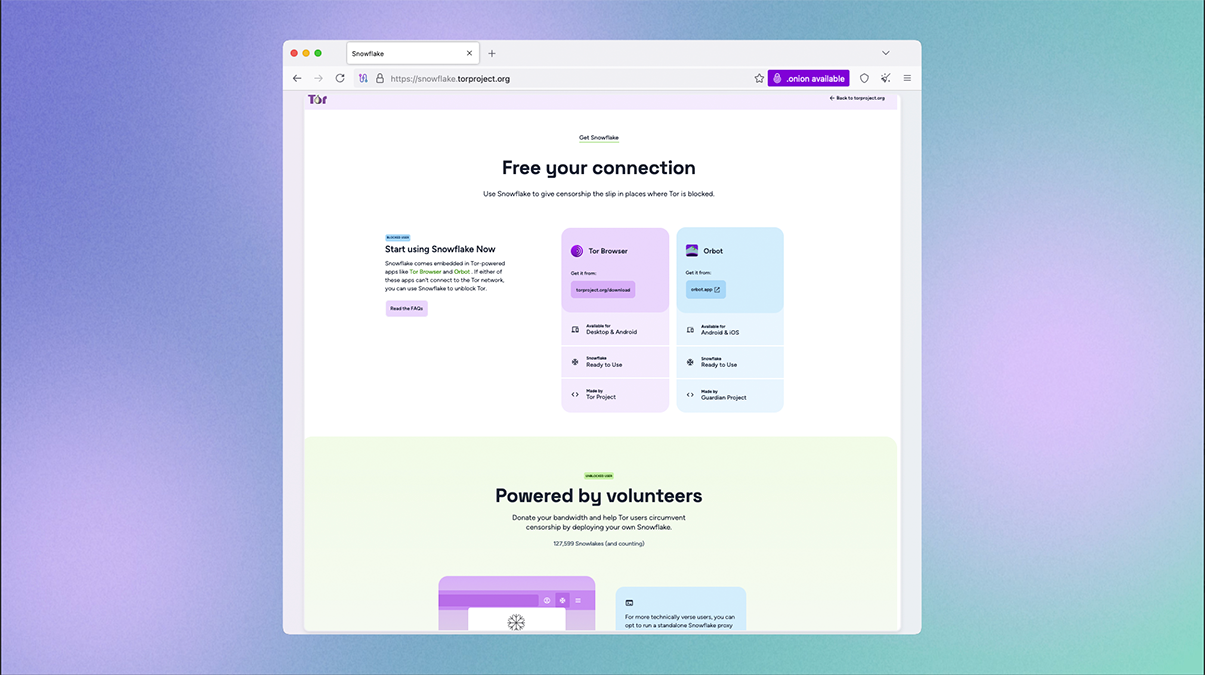
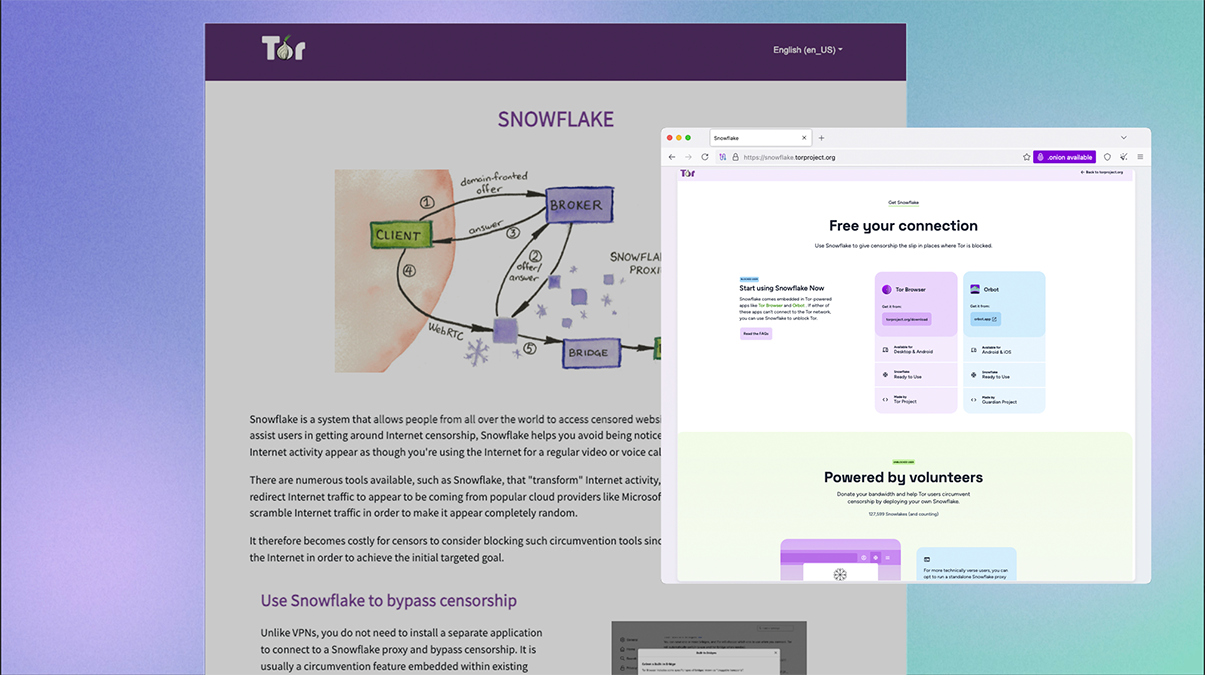
从本质上讲,Snowflake 是一项将普通互联网用户转变为反审查盟友的技术。它就像打开新的浏览器选项卡一样轻松无忧,任何人都可以为被屏蔽的互联网用户打开生命线。这就是为什么我们对Snowflake 网站进行了急需的更新,使其更清晰、更易于访问和更易于浏览。
除了 Tor 社区、系统管理员和 UX/UI 团队的努力外,此次改版还得益于Google Summer of Code (GSoC) 学生Ashish Soni 的贡献。他仍然对开源充满热情,并继续为技术社区做出贡献和构建有影响力的项目。我们与他谈论了他在 Tor 项目工作的经历,以及他为 Snowflake 做出贡献的具体动机。
您是如何第一次了解 Snowflake 的?您还在运行 Snowflake 代理吗?您的使用体验如何?
我第一次发现 Snowflake 是在 Google Summer of Code (GSoC) 网站上。它的使命是使用 Tor 绕过审查,同时通过其点对点特性帮助人们保持联系,这立刻引起了我的兴趣。但即使在加入该计划之前,我也已经做过研究,与 Tor 社区进行了交流,并尝试了它的扩展、网络嵌入和代理。虽然我没有运行代理,但我经常在参加的活动和会议上谈论 Snowflake,这个工具如何赋予互联网自由总是让人们感到惊讶。
您的背景、研究或个人兴趣中是否有任何因素吸引您对隐私和反审查工具产生兴趣?
我在大学期间选修了一门安全课程,这门课程让我了解了加密、网络安全和以隐私为中心的技术。这激发了我对反审查工具的兴趣,促使我探索 Snowflake 等项目。我已经使用了 Tor 浏览器和 Orbot,并亲眼目睹了 VPN 等其他工具如何帮助保护网络自由。
以前的网站存在哪些问题?您是如何提出改进建议的?
以前的 Snowflake 网站存在一些可用性问题——设计过时、措辞经常令人困惑,许多用户很难理解 Snowflake 代理和客户端的工作原理。它还缺少必要的功能,例如适当的常见问题解答部分,并且不适合移动设备,因此导航很困难。根据用户的反馈,我们专注于创建更简洁、更易于访问的设计,并提供清晰的说明、响应式布局和更好的内容结构。此外,我们还旨在简化维护,以便未来的贡献者可以无缝更新它。
看到成品,你对这个项目有什么感觉?你认为这是一个成功吗?你计划做的所有事情都完成了吗?
我们认为这个项目非常成功。将旧网站与新网站进行比较,整体外观和感觉已经完全改变,使其更加用户友好且视觉吸引力更强。在夏季,我们成功完成了约 90% 的计划任务,显著改善了可访问性、导航和整体用户体验。虽然总有进一步改进的空间,但关键目标已经实现,使该项目成为一次有意义的升级。
现在您已经参与了审查规避工具的开发,您是否觉得自己与网络自由倡议更加紧密相连或更加投入了呢?
是的,在 Snowflake 工作加深了我对网络审查的理解,并加强了我对数字自由的承诺。它强调了开源工具在保护信息访问方面的重要性,我希望将来能为类似的举措做出更多贡献。
您对 GSoC 感兴趣或者为 Tor 项目做出贡献的人有什么建议吗?
对于任何对 GSoC 感兴趣或对 Tor 项目做出贡献的人,我建议尽早探索这些项目,了解其影响,并与社区互动。Tor 项目拥有一个友好的环境,提出问题或贡献小修复可以是一个很好的开始。
在开展项目时,创造力、好奇心和跳出思维定势才是真正让贡献变得有价值的因素。对于 GSoC 来说,制定清晰的计划、设定里程碑以及积极与导师沟通将有助于确保获得成功的体验。最重要的是,要乐于学习——除了编码之外,还有很多东西可以收获!
谢谢你,Ashish。
2025 年轮次的申请现已开放。点击此处了解有关 GSoC 的更多信息,点击此处查看 Tor 项目的概述。
A fresh coat for Snowflake: a website refresh to help more people get online
by pavel
At its core, Snowflake is a piece of technology that transforms ordinary internet users into censorship-fighting allies. It's as painless and hassle-free as opening a new browser-tab, allowing anyone to open a lifeline for blocked internet users. That's why we've given the Snowflake website a much-needed refresh to make it clearer, more accessible, and easier to navigate.
Alongside the efforts of Tor's community, sysadmin and UX/UI teams, the revamp was made possible by the contributions of a Google Summer of Code (GSoC) student, Ashish Soni. He remains passionate about open-source and continues to contribute and build impactful projects in the tech community. We talked to him about his experience working with the Tor Project and what motivated him to contribute to Snowflake specifically.
How did you first learn about Snowflake? Do you still run a Snowflake proxy and what's been your experience with it?
I first discovered Snowflake through the Google Summer of Code (GSoC) website. Its mission to bypass censorship using Tor while helping people stay connected through its peer-to-peer nature immediately intrigued me. But even before joining the program, I had done research and engaged with the Tor community, and experimented with its extension, web embeds, and proxies. While I don't run a proxy, I often talk about Snowflake at events and conferences I go to, and it always amazes people how this tool empowers internet freedom.
Did anything in your background, studies, or personal interests draw you toward privacy and anti-censorship tools?
During my college studies, I had a subject on security that introduced me to encryption, network security, and privacy-focused technologies. This sparked my interest in anti-censorship tools, leading me to explore projects like Snowflake. I already use the Tor Browser and Orbot and have seen firsthand how other tools like VPNs help protect online freedom.
What didn't work about the previous website and how did you come up with the improvements you wanted to make?
The previous Snowflake website had several usability issues---its design felt outdated, the wording was often confusing, and many users struggled to understand how Snowflake proxies and clients worked. It also lacked essential features like a proper FAQ section and wasn't mobile-friendly, making navigation difficult. Based on user feedback, we focused on creating a cleaner, more accessible design with clear explanations, a responsive layout, and better content structure. Additionally, we aimed to simplify maintenance so future contributors could update it seamlessly.
Looking at the finished product, how do you feel about the project? Would you consider this a success? Was everything accomplished that you set out to do?
We consider this project a success. Comparing the old website to the new one, the overall look and feel have been completely transformed, making it more user-friendly and visually appealing. During the summer, we successfully completed around 90% of the planned tasks, significantly improving accessibility, navigation, and the overall user experience. While there's always room for further enhancements, the key goals were met, making the project a meaningful upgrade.
Now that you've worked on a censorship-circumvention tool, do you feel more connected or invested in online freedom initiatives?
Yes, working on Snowflake deepened my understanding of online censorship and strengthened my commitment to digital freedom. It reinforced the importance of open-source tools in protecting access to information, and I hope to contribute more to similar initiatives in the future.
Any words of wisdom for others who are interested in GSoC or contributing to the Tor Project?
For anyone interested in GSoC or contributing to the Tor Project, I'd suggest exploring the projects early, understanding their impact, and engaging with the community. The Tor Project has a welcoming environment, and asking questions or contributing small fixes can be a great way to start.
When working on a project, creativity, curiosity, and thinking outside the box are what truly make a contribution valuable. For GSoC, having a clear plan, setting milestones, and actively communicating with mentors will help ensure a successful experience. Most importantly, be open to learning---there's a lot to gain beyond just coding!
Thank you, Ashish.
Applications for the 2025 round are now open. Find more information on GSoC here and an overview of Tor's projects here.
